
Authors: J. Ariel Wong Mendieta, MD, MSc1,5; Jonathan Poveda, MD2,5; Guillermo Rodríguez, MD3,5; Francis Ruiz, MD4,5, Vanessa Villavicencio MD, Fernando Wyss MD
Affiliations:
1 Colegio de Médicos y Cirujanos de Costa Rica, San José, Costa Rica
2 Asociación Costarricense de Cardiología, San José, Costa Rica
3 Asociación Costarricense de Nefrología, San José, Costa Rica
4 Asociación Costarricense de Endocrinología y Metabolismo, San José, Costa Rica
5 Postgraduate Programme, Universidad de Costa Rica, San José, Costa Rica
Corresponding author: J. Ariel Wong Mendieta, MD, MSc. Colegio de Médicos y Cirujanos de Costa Rica, San José, Costa Rica. E-mail: dr.arielwong@gmail.com. ORCID: 0009-0007-5236-3427.
Word count (Introduction–Conclusion): ~4,160
Summary word count: 253
Tables / Figures: 3 tables; 2 figures
References: 28
Keywords: cardiovascular-kidney-metabolic syndrome; obesity phenotypes; glucagon-like peptide-1 receptor agonist; semaglutide; tirzepatide
Summary
Aim. Obesity is increasingly recognised as an adiposity-based chronic disease driving the cardiovascular–kidney–metabolic (CKM) continuum. Although the EASO, EOSS, and AHA CKM frameworks provide complementary approaches to risk stratification, they offer limited guidance for selecting between incretin therapies. This review examines the evidence supporting semaglutide and tirzepatide and proposes an integrated phenotype- and stage-based approach to treatment selection.
Methods. Narrative review based on a structured search of PubMed, Embase, the Cochrane Library, Scopus, and Web of Science, supplemented by major scientific meetings and contemporary clinical practice guidelines.
Results. Semaglutide and tirzepatide demonstrate complementary strengths across the CKM continuum. Semaglutide has the most comprehensive outcome evidence in cardiovascular disease, chronic kidney disease, and metabolic dysfunction-associated steatohepatitis, whereas tirzepatide consistently achieves the greatest weight reduction and has demonstrated cardiovascular protection in type 2 diabetes with established atherosclerotic cardiovascular disease. Current evidence supports phenotype-guided rather than one-size-fits-all incretin selection.
Conclusion. Integrating the EASO, EOSS, and CKM frameworks provides a practical strategy to individualise incretin therapy according to obesity phenotype, disease severity, and CKM stage. Rather than competing therapies, semaglutide and tirzepatide should be viewed as complementary agents whose optimal use depends on the dominant clinical phenotype and the strength of the available evidence.
Keywords: cardiovascular-kidney-metabolic syndrome; obesity phenotypes; glucagon-like peptide-1 receptor agonist; semaglutide; tirzepatide
Over the past decade, obesity has been reconceptualised from a body mass index (BMI)-defined condition to an adiposity-based chronic disease, in which dysfunctional, particularly visceral, adipose tissue functions as an active endocrine and immunometabolic organ that drives systemic disease rather than merely representing excess body weight [1]. This conceptual shift recognizes excess adiposity as the common biological substrate underlying a spectrum of interrelated disorders including dysglycaemia, hypertension, dyslipidaemia, chronic kidney disease (CKD), and both atherosclerotic and structural cardiovascular disease that have traditionally been managed as distinct clinical entities.
The cardiovascular–kidney–metabolic (CKM) syndrome, formalised by the American Heart Association (AHA) in 2023, provides a unifying framework for this paradigm by recognising obesity, type 2 diabetes, CKD, and cardiovascular disease as interconnected manifestations of a single progressive disease continuum [2]. Rather than viewing these conditions as isolated entities, the CKM model stages disease progression from metabolic risk to established multiorgan involvement, emphasizing the shared pathophysiology linking adiposity, metabolic dysfunction, and cardio-renal disease. This conceptual evolution has been paralleled by a therapeutic revolution. Incretin-based therapies are the first pharmacological interventions to address multiple components of the CKM continuum simultaneously, producing substantial and sustained weight loss while reducing cardiovascular and kidney events an achievement that previous generations of anti-obesity medications failed to deliver.
Despite these advances, an important gap remains in clinical practice. Existing frameworks define obesity phenotype (EASO), disease severity (EOSS) [3], and cardiovascular–kidney–metabolic risk (AHA CKM), while incretin trials establish the efficacy of individual agents. What remains lacking is an integrated approach that links phenotype and disease stage to therapeutic choice. Although the first comprehensive AHA/ACC CKM guideline, published in 2026, operationalises CKM staging, it does not provide practical guidance on selecting between GLP-1 receptor agonists and dual GIP/GLP-1 receptor agonists for individual patients [3].
This narrative review aims to bridge this gap by addressing two key questions. First, what is the evidence supporting the selection of GLP-1 receptor agonists versus dual GIP/GLP-1 receptor agonist and Second, how can EASO phenotypes, EOSS, and AHA CKM staging be integrated into a practical framework for incretin-based treatment selection. Throughout this review, semaglutide and tirzepatide are used as representative agents of the GLP-1 receptor agonist and dual GIP/GLP-1 receptor agonist classes, respectively, reflecting the breadth and maturity of the available evidence.
2.0 Methods
This is a narrative rather than a systematic review and therefore does not aim to provide an exhaustive quantitative synthesis or formal risk-of-bias assessment. To enhance transparency and reproducibility, we nevertheless performed a structured literature search in PubMed/MEDLINE, Embase, the Cochrane Library, Scopus, and Web of Science, supplemented by Google Scholar and abstracts from the American Diabetes Association, the European Association for the Study of Diabetes, the American Heart Association, the American College of Cardiology, and the European Congress on Obesity.
Search concepts were combined with Boolean operators across four blocks: obesity phenotype and staging (including “adiposity-based chronic disease”, “EASO framework”, and “Edmonton Obesity Staging System”); the CKM continuum (“cardiovascular-kidney-metabolic”, “cardiorenal metabolic”, and “cardiometabolic risk”); incretin therapy (“GLP-1 receptor agonist”, “semaglutide”, “tirzepatide”, “GIP”, and “dual agonist”); and outcomes (“cardiovascular outcomes”, “MACE”, “kidney outcomes”, “heart failure”, and “weight loss”). Emphasis was placed on randomised controlled trials and their pre-specified and secondary analyses, on large cohort and real-world studies, and on consensus statements and guidelines from the last twenty-four months. Primary trial publications were prioritised over secondary reporting. References were managed in a citation manager and organised thematically. For each included study, objective, design, population, principal results, strengths, limitations, and residual gap were extracted.
3. The evolution of the cardiovascular–kidney–metabolic syndrome concept
The CKM concept represents the culmination of decades of evolving cardiometabolic thinking. Early models focused on individual risk factors, followed by the metabolic syndrome, which recognised the clustering of central adiposity, dysglycaemia, dyslipidaemia, and hypertension, and later the cardiorenal syndrome, which highlighted the bidirectional interplay between cardiac and kidney dysfunction. The 2023 AHA Presidential Advisory unified these concepts by defining CKM syndrome as a systemic, progressive disorder driven by dysfunctional adiposity and manifested across the metabolic, renal, and cardiovascular systems [2].
Two aspects of the AHA framework are particularly relevant to therapeutic decision-making. First, CKM staging classifies patients along a continuum from Stage 0 (ideal health) to Stage 4 (established cardiovascular disease), providing a dynamic framework that reflects disease progression rather than a static estimate of risk. Second, the accompanying PREVENT equations quantify 10- and 30-year cardiovascular risk while incorporating metabolic and kidney variables, aligning risk prediction with the same disease continuum used for staging [5]. In 2026, the first comprehensive AHA/ACC CKM guideline translated this conceptual framework into multidisciplinary clinical guidance endorsed by cardiology, diabetes, and nephrology societies [4]. However, an important limitation remains: current CKM staging does not incorporate hepatic steatosis despite growing evidence that ectopic liver fat is among the earliest manifestations of insulin resistance and a key driver of CKM progression [6].
3.1 Three lenses on the same patient
Patients with obesity can be classified simultaneously using the EASO framework, the Edmonton Obesity Staging System (EOSS), and the AHA CKM staging system. These frameworks are complementary rather than interchangeable, each describing a distinct dimension of disease. EASO establishes the diagnosis of adiposity-based chronic disease and characterises adiposity burden using anthropometric and clinical criteria [1]. EOSS grades the severity of current obesity-related morbidity across metabolic, mechanical, and mental health domains, independent of body size [3]. CKM staging places patients along the cardiovascular–kidney–metabolic continuum, reflecting their trajectory from risk to overt cardiovascular disease [2]. Table 1 summarises these complementary perspectives, and Figure 1 illustrates their integration.
Together, these frameworks define a multidimensional phenotype that captures diagnosis, disease severity, and cardiometabolic trajectory. However, none provides guidance on selecting incretin-based therapy. This review addresses that gap by integrating these complementary classifications with the evidence supporting GLP-1 receptor agonists and dual GIP/GLP-1 receptor agonists to inform phenotype- and stage-based treatment selection.
| Framework | Primary axis measured | What it establishes | What it does not indicate |
|---|---|---|---|
| EASO 2024 framework | Diagnosis — adiposity as chronic disease (anthropometric + clinical components) | Whether the patient has adiposity-based disease and its health impact | Position on the cardio-renal trajectory; drug choice |
| Edmonton Obesity Staging System | Current functional / morbidity burden (metabolic, mechanical, mental) | How much end-organ and functional impairment exists today | Anticipated cardiovascular / renal event risk; drug choice |
| AHA CKM staging | Position on the cardiovascular–kidney–metabolic continuum (Stages 0–4) | Where the patient sits on the event trajectory | Adiposity phenotype detail; functional burden; drug choice |
4. The incretin evidence base, mapped to CKM stage
4.1 GLP-1 receptor agonism (semaglutide): outcome-proven risk reduction and a raised weight-loss ceiling.
Semaglutide’s distinguishing feature is a body of dedicated outcome trials spanning the later CKM stages. In SELECT, 17,604 adults with established cardiovascular disease and overweight or obesity but without diabetes received semaglutide 2.4 mg or placebo; the primary composite of cardiovascular death, non-fatal myocardial infarction, or non-fatal stroke fell by 20% (hazard ratio 0.80, 95% confidence interval 0.72–0.90) [7]. The event curves separated early, before maximal weight loss, and a secondary analysis attributed roughly two thirds of the benefit to reductions in waist circumference, evidence that the cardioprotective effect is not explained by weight change alone [8]. This positions semaglutide firmly at CKM Stage 4. In type 2 diabetes at high cardiovascular risk, SUSTAIN-6 shown a 26% reduction in MACE with semaglutide 0.5 mg or 1.0 mg in 3,297 patients (hazard ratio 0.74, 95% confidence interval 0.58–0.95)[9].
Semaglutide’s weight-loss ceiling has since been raised substantially. The original STEP programme established reductions of roughly 15% at 2.4 mg in obesity without diabetes and approximately 10% in obesity with type 2 diabetes [10,11]. In the phase 3b STEP UP trial, 1,407 adults with obesity and without diabetes were randomised 5:1:1 to once-weekly subcutaneous semaglutide 7.2 mg, semaglutide 2.4 mg, or placebo for 72 weeks; the 7.2 mg dose was superior to both. Under the treatment policy estimand, which was the primary analysis and estimates the effect regardless of treatment discontinuation or rescue medication, body weight fell by 18.7% versus 15.6% with 2.4 mg and 3.9% with placebo. Under the trial product estimand, which estimates the effect if all participants had adhered as intended, the corresponding reductions were 20.7%, 17.5%, and 2.4%. Roughly one third of participants achieved at least 25% weight loss, and the safety and tolerability profile was comparable to the approved dose [12]. The companion STEP UP T2D trial extended this to 512 adults with obesity and type 2 diabetes, where semaglutide 7.2 mg was again superior to placebo for body weight, waist circumference, and glycated haemoglobin (mean weight reduction approximately 13% versus 10% with 2.4 mg and 3.9% with placebo), with tolerability similar to 2.4 mg apart from a higher incidence of dysaesthesia [13].
The 7.2 mg dose therefore materially changes the comparative picture. On matched estimands, semaglutide 7.2 mg reduced body weight by 18.7% (STEP UP, treatment policy estimand) against 20.2% for tirzepatide (SURMOUNT-5, treatment-regimen estimand) [14], a difference of roughly 1.5 percentage points derived from an indirect comparison across separate trials with different populations, designs, and comparator doses. No head-to-head trial has compared semaglutide 7.2 mg with tirzepatide, and none is currently reported; the only direct comparison titrated semaglutide to a maximum of 2.4 mg. Claims that either agent is definitively superior for weight reduction are therefore not supported at the highest available dose of each. What can be said is that both classes now achieve weight loss of a magnitude previously attainable only with bariatric surgery, and that the cardiovascular and renal outcome evidence for semaglutide remains that of the 2.4 mg and 1.0 mg doses, since STEP UP and STEP UP T2D were weight-loss rather than event trials.
At the renal node (CKM Stage 3), the FLOW trial randomised 3,533 patients with type 2 diabetes and CKD to semaglutide 1.0 mg or placebo and was stopped early for efficacy; the composite of major kidney events and cardiovascular death fell by 24% [15]. FLOW was the first dedicated kidney-outcomes trial of a GLP-1 receptor agonist. In obesity-related heart failure with preserved ejection fraction (HFpEF), the STEP-HFpEF programme [16,17] demonstrated symptomatic and functional benefit. A pooled analysis of 3,743 participans from the SELECT, FLOW, STEP-HFpEF, and STEP-HFpEF DM randomised trials reported a reduction in the risk of the combined endpoint of cardiovascular death or heart failure events of 31% and 41% in the risk of worsening heart failure events. [18] Taken together, semaglutide offers outcome-proven benefit at the atherosclerotic, renal, and heart-failure nodes of the CKM continuum.
4.2 Dual GIP/GLP-1 receptor agonism (tirzepatide): substantial adiposity reduction and maturing outcome data
Tirzepatide produces substantial reductions in adiposity together with broad improvements in cardiometabolic risk factors. Across the SURMOUNT-1 to SURMOUNT-4 trials, mean weight loss ranged from approximately 13% to 23%, depending on the study population and dose [19–21]. In SURMOUNT-5, the first head-to-head trial against semaglutide in adults with obesity without diabetes, tirzepatide demonstrated superior efficacy, achieving greater reductions in body weight (20.2% vs. 13.7%), waist circumference, blood pressure, glycated haemoglobin, triglycerides, and high-density lipoprotein cholesterol, while nearly doubling the proportion of participants achieving ≥25% weight loss (31.6% vs. 16.1%) [14]. Whether this advantage is maintained over semaglutide 7.2 mg remains unknown, as the comparison was performed against the approved 2.4 mg dose. Beyond weight reduction, the SUMMIT trial showed that tirzepatide reduced the risk of cardiovascular death or worsening heart failure by 38% in patients with obesity-related HFpEF while improving symptoms, functional capacity, and markers of cardiac remodelling, with consistent benefits across CKD subgroups [22–24].
The cardiovascular evidence base for tirzepatide has now matured. In SURPASS-CVOT, 13,299 patients with type 2 diabetes and established atherosclerotic cardiovascular disease were randomised to tirzepatide or dulaglutide, an active comparator with proven cardiovascular benefit [25–27]. Tirzepatide met the primary objective of non-inferiority for three-point major adverse cardiovascular events (hazard ratio [HR] 0.92, 95.3% confidence interval [CI] 0.83–1.01) but did not demonstrate superiority over dulaglutide [27]. Although superiority for MACE was not achieved, tirzepatide was associated with lower all-cause mortality (HR 0.84, 95% CI 0.75–0.94), substantially greater reductions in glycated haemoglobin and body weight, and favourable renal outcomes. Collectively, these findings indicate that tirzepatide provides cardiovascular protection comparable to an established GLP-1 receptor agonist while delivering additional metabolic and renal benefits, further supporting its role across the CKM continuum.
4.3 A methodological note on the imputed-placebo framework
The design of SURPASS-CVOT deserves emphasis because it reshapes how active-comparator trials can substitute for placebo-controlled ones. The 1.05 non-inferiority margin was derived from a Bayesian meta-analysis of six prior GLP-1 receptor agonist cardiovascular outcome trials so that demonstrating non-inferiority to dulaglutide would simultaneously establish superiority to a putative (imputed) placebo [26]. Because the upper confidence bound of 1.01 fell below 1.05 — while remaining above 1.00, so that superiority over dulaglutide itself was not established — the imputed-placebo criterion was met. A pre-specified indirect comparison using patient-level data matched to REWIND [25] estimated that tirzepatide reduced MACE by 28% (hazard ratio 0.72, 95% confidence interval 0.55–0.94) and all-cause mortality by 39% (hazard ratio 0.61, 95% confidence interval 0.45–0.82) versus a putative placebo [27]. Both the United States Food and Drug Administration and the European Medicines Agency endorsed this framework—the first formal acceptance of an imputed-placebo approach in the cardiometabolic field. For a discipline in which placebo-controlled cardiovascular trials are increasingly difficult to justify ethically, this precedent is consequential, though the inferential distance between a non-inferiority result and an imputed superiority claim warrants continued methodological scrutiny.
4.4 The hepatic axis: metabolic dysfunction-associated steatotic liver disease
Although current CKM staging does not incorporate hepatic parameters [6], metabolic dysfunction-associated steatotic liver disease (MASLD) and its inflammatory form, metabolic dysfunction-associated steatohepatitis (MASH), sit mechanistically upstream in the same adiposity-driven continuum, and both incretin classes now have histological trial data. This makes the liver a practical discriminator at the point of prescribing.
Semaglutide currently has the most robust evidence in metabolic dysfunction-associated steatohepatitis (MASH). In the phase 3 ESSENCE trial, patients with biopsy-confirmed MASH and stage F2–F3 fibrosis treated with semaglutide 2.4 mg were significantly more likely than those receiving placebo to achieve both resolution of steatohepatitis without worsening of fibrosis (62.9% vs. 34.3%) and improvement in fibrosis without worsening of steatohepatitis (36.8% vs. 22.4%) after 72 weeks [28]. These findings led the US Food and Drug Administration to grant accelerated approval in 2025 for the treatment of non-cirrhotic MASH with moderate-to-advanced fibrosis, making semaglutide the first GLP-1 receptor agonist approved for this indication.
Tirzepatide has demonstrated similarly promising histological effects but remains at an earlier stage of clinical development. In the phase 2 SYNERGY-NASH trial, tirzepatide significantly increased both MASH resolution without worsening of fibrosis (up to 62% vs. 10% with placebo) and improvement in fibrosis without worsening of MASH (55% vs. 30%) in patients with stage F2–F3 disease [29]. Although these findings are highly encouraging, they derive from a relatively small dose-finding study with 52 weeks of follow-up and have not yet resulted in a regulatory indication. Consequently, the current distinction between semaglutide and tirzepatide reflects the maturity of the available evidence rather than proven differences in efficacy. Ongoing phase 3 trials will determine whether comparable clinical recommendations can ultimately be supported.
The practical implication is to identify patients in whom liver disease is a dominant component of the CKM phenotype, as the presence of MASH with clinically significant fibrosis should guide incretin selection. Based on the current evidence, semaglutide is the preferred agent.
4.5 Adjacent, non-identical populations
An important consideration for incretin selection is that the cardiovascular outcome evidence for semaglutide and tirzepatide derives from complementary, rather than identical, patient populations. Semaglutide has demonstrated cardiovascular benefit in both obesity without diabetes (SELECT) [7] and type 2 diabetes at high cardiovascular risk (SUSTAIN-6) [9], whereas tirzepatide has shown cardiovascular safety comparable to dulaglutide in patients with type 2 diabetes and established atherosclerotic cardiovascular disease (SURPASS-CVOT) [27]. The corresponding placebo-controlled cardiovascular outcomes trial of tirzepatide in obesity without diabetes (SURMOUNT-MMO) is ongoing [30]. Thus, the current distinction between these agents reflects differences in the available evidence across the CKM continuum rather than differences in cardiovascular efficacy. Table 2 summarises the comparative evidence, and Figure 2 illustrates its integration within the CKM framework.
| Domain | Semaglutide (GLP-1 RA) | Tirzepatide (GIP/GLP-1 RA) |
|---|---|---|
| Weight-loss magnitude | −18.7% at 7.2 mg and −15.6% at 2.4 mg over 72 weeks (STEP UP, treatment policy estimand); −20.7% and −17.5% respectively under the trial product estimand; ~−10% long-term in SELECT | −20.2% at maximum tolerated dose over 72 weeks (SURMOUNT-5, treatment-regimen estimand); up to ~−23% in the SURMOUNT programme |
| Head-to-head comparison | Superiority of tirzepatide demonstrated only against the maximum tolerated dose of semaglutide available at the time (1.7 or 2.4 mg) in the open-label SURMOUNT-5 trial. No head-to-head trial of the 7.2 mg dose has been conducted. The estimand-matched indirect comparison is 18.7% (STEP UP, treatment policy) versus 20.2% (SURMOUNT-5, treatment-regimen). | |
| MACE (atherosclerotic) | Proven −20% in obesity without diabetes (SELECT; HR 0.80, 95% CI 0.72–0.90); −26% in type 2 diabetes at high cardiovascular risk (SUSTAIN-6; HR 0.74) | Non-inferior to dulaglutide (HR 0.92, 95.3% CI 0.83–1.01) and superior to an imputed placebo in T2D + ASCVD (SURPASS-CVOT); superiority over dulaglutide not established; obesity-without-diabetes trial (SURMOUNT-MMO) ongoing |
| Kidney outcomes | Proven −24% major kidney events (FLOW, T2D + CKD) | Favourable renal-function signal (SURPASS-CVOT; SUMMIT); no dedicated kidney-outcome trial |
| Obesity-related HFpEF | Benefit (STEP-HFpEF; SELECT heart-failure analysis) | Reduced CV death / worsening heart failure (SUMMIT) |
| Cardiometabolic parameters | Improved across blood pressure, glycaemia, and lipids | Improved across blood pressure, glycaemia, and lipids |
ASCVD, atherosclerotic cardiovascular disease; CKD, chronic kidney disease; CV, cardiovascular; GIP, glucose-dependent insulinotropic polypeptide; GLP-1 RA, glucagon-like peptide-1 receptor agonist; HFpEF, heart failure with preserved ejection fraction; MACE, major adverse cardiovascular events; T2D, type 2 diabetes.
5. Toward integrated, stage-anchored incretin selection
Integrating the EASO, EOSS, and CKM frameworks provides a practical approach to phenotype-guided incretin selection rather than a rigid treatment algorithm. Clinical decisions should be informed by the combined assessment of obesity phenotype, disease severity, and CKM stage, while remaining aligned with the evidence supporting each therapy. Table 3 summarises this approach, and Figures 1 and 2 illustrate its integration across the CKM continuum.
The framework should be applied with two overarching principles in mind. First, it complements rather than replaces shared decision-making, incorporating tolerability, patient preferences, access, cost, and the overall burden of comorbidities. Second, recommendations should remain evidence-driven and evolve as new data emerge. Where current evidence does not distinguish between semaglutide and tirzepatide, no preference is proposed; conversely, future trials such as SURMOUNT-MMO may further refine or eliminate existing distinctions.
Table 3. A stage-anchored framework for incretin selection.
| Dominant clinical situation | Integrated reading (EASO / EOSS / CKM) | Evidence-favoured choice | Rationale |
|---|---|---|---|
| High adiposity burden; early CKM; magnitude the priority | EASO: high anthropometric and clinical adiposity burden. EOSS 1–2: metabolic or mechanical impairment without end-organ damage. CKM 1–2: risk factors present, no established disease | Either (tirzepatide 15 mg or semaglutide 7.2 mg) | Comparable magnitude at highest approved doses on estimand-matched comparison (−20.2% vs −18.7%); the only head-to-head trial titrated semaglutide to 2.4 mg. Choose by tolerability, access, and comorbidity |
| Established ASCVD, without diabetes | EASO: adiposity-based disease with established complication. EOSS 3: end-organ damage present. CKM 4a: clinical cardiovascular disease, event risk dominant | Semaglutide | Uniquely holds dedicated placebo-controlled MACE evidence in this population (SELECT); SURMOUNT-MMO pending |
| Established ASCVD, with type 2 diabetes | EASO: adiposity-based disease with metabolic and vascular complications. EOSS 3: established end-organ damage across domains. CKM 4a with dysglycaemia | Either (semaglutide or tirzepatide) | Both carry MACE evidence here: tirzepatide (SURPASS-CVOT, active-comparator) and semaglutide (SUSTAIN-6, placebo-controlled). Choose by weight and renal priority and by tolerability |
| Type 2 diabetes with chronic kidney disease | EASO: adiposity-based disease with renal complication. EOSS 3: end-organ damage. CKM 2-3: subclinical cardiovascular disease or high predicted risk, renal protection the priority | Semaglutide | Proven major kidney-event reduction (FLOW); tirzepatide shows a favourable signal but no dedicated renal outcome trial |
| Obesity-related HFpEF | EASO: adiposity-based disease with cardiac complication. EOSS 3–4: functional limitation, often severe. CKM 3–4: structural heart disease within the continuum | Either | SUMMIT (tirzepatide) and STEP-HFpEF / SELECT heart-failure analysis (semaglutide); choose by comorbidity mix |
| MASH with significant fibrosis (F2–F3), at any CKM stage | EASO: adiposity-based disease with hepatic complication. EOSS 2–3: end-organ damage that is frequently asymptomatic. CKM: any stage — the hepatic axis runs transverse to CKM staging and is not captured by it | Semaglutide | Phase 3 histological evidence and accelerated regulatory approval (ESSENCE); tirzepatide shows comparable phase 2 signals (SYNERGY-NASH) but no phase 3 programme or indication |
EASO, European Association for the Study of Obesity; EOSS, Edmonton Obesity Staging System; MASH, metabolic dysfunction-associated steatohepatitis. Other abbreviations as in Table 2. EOSS stages are indicative of the functional burden typical of each situation rather than prescriptive.
Identifying the hepatic phenotype. Elevated alanine or aspartate aminotransferase (although liver enzymes may be normal); hepatic steatosis on ultrasound or other imaging; fibrosis assessment using FIB-4 as an initial screening tool; if FIB-4 is indeterminate or high, follow with transient elastography (FibroScan) or referral to hepatology.
6. Knowledge gaps and future directions
1. Incomplete evidence across the CKM continuum
While semaglutide has demonstrated benefit in both obesity without diabetes and type 2 diabetes, the corresponding placebo-controlled cardiovascular outcomes trial of tirzepatide in obesity without diabetes (SURMOUNT-MMO) is ongoing and will further define its role in earlier CKM stages.
2. Integrated phenotype-guided staging
Although EASO, EOSS, and CKM staging provide complementary information, they have not been operationally integrated into a validated framework to guide therapeutic decision-making. Development of a unified phenotype-guided staging system represents an important next step.
3. Hepatic disease within CKM
Metabolic dysfunction-associated steatotic liver disease is increasingly recognised as a central manifestation of the CKM continuum, yet it is not incorporated into the current CKM staging system. Future refinements should consider integrating hepatic disease into risk stratification and therapeutic decision-making.
4. Long-term implementation
Important questions remain regarding long-term implementation, including treatment durability, maintenance strategies after weight loss, and equitable access to therapy. Addressing these challenges will be essential to maximise the real-world impact of phenotype-guided incretin therapy.
7. Conclusion
Semaglutide and tirzepatide should be viewed as complementary therapies rather than interchangeable options. Their optimal use depends not on identifying a universally superior agent, but on matching the right therapy to the right patient according to obesity phenotype, disease severity, and CKM stage. Integrating the EASO, EOSS, and AHA CKM frameworks provides a practical, evidence-based strategy to individualise incretin therapy while recognising areas where current evidence does not distinguish between agents. As the evidence base continues to evolve, phenotype- and stage-guided treatment has the potential to move obesity management beyond weight loss alone toward truly precision-based cardiometabolic care.
Abbreviations
AHA: American Heart Association; ASCVD: atherosclerotic cardiovascular disease; BMI: body mass index; CKD: chronic kidney disease; CKM: cardiovascular–kidney–metabolic; CV: cardiovascular; CVOT: cardiovascular outcomes trial; EASO: European Association for the Study of Obesity; EOSS: Edmonton Obesity Staging System; GIP: glucose-dependent insulinotropic polypeptide; GLP-1: glucagon-like peptide-1; HF: heart failure; HFpEF: heart failure with preserved ejection fraction; MACE: major adverse cardiovascular events; NI: non-inferiority; T2D: type 2 diabetes.
Declarations
Ethics approval and consent to participate
Not applicable.
Consent for publication
Not applicable.
Availability of data and materials
Not applicable. This review analyses only previously published data; all sources are cited.
Competing interests
JAWM was employed by Novo Nordisk as Senior Medical Manager, Cardiometabolic, until June 2026; he held no financial interest in the products reviewed at the time of writing and received no compensation for this work. GR, JP, and FR declare that they have no competing interests.
Funding
This review received no specific funding from any agency in the public, commercial, or not-for-profit sectors.
Authors’ contributions
JAWM conceived the review, designed the search strategy, performed the evidence synthesis, prepared the tables and figures, and drafted the manuscript. JP, GR, and FR contributed to the interpretation of the cardiovascular, nephrological, and endocrinological evidence respectively, and critically revised the manuscript for important intellectual content. All authors read and approved the final manuscript and agree to be accountable for all aspects of the work.
Acknowledgements
Not applicable.
Use of large language models and AI
AI-assisted tools were used for evidence gathering, synthesis, and language editing. The authors are responsible for all content, including the accuracy of every citation and datum.
References
1. Busetto L, Dicker D, Frühbeck G, Halford JCG, Sbraccia P, Yumuk V, et al. A new framework for the diagnosis, staging and management of obesity in adults. Nat Med 2024;30:2395–9. https://doi.org/10.1038/s41591-024-03095-3.
2. Ndumele CE, Rangaswami J, Chow SL, Neeland IJ, Tuttle KR, Khan SS, et al. Cardiovascular-kidney-metabolic health: a presidential advisory from the American Heart Association. Circulation 2023;148:1606–35. https://doi.org/10.1161/CIR.0000000000001184.
3. Sharma AM, Kushner RF. A proposed clinical staging system for obesity. Int J Obes (Lond) 2009;33:289–95. https://doi.org/10.1038/ijo.2009.2.
4. Ndumele CE, Rodriguez F, Dixon DL, Khan SS, Mukherjee D, Bajaj M, et al. 2026 AHA/ACC/ADA/ASN guideline for the prevention, detection, evaluation, and management of cardiovascular-kidney-metabolic syndrome: a report of the American College of Cardiology/American Heart Association Joint Committee on Clinical Practice Guidelines. J Am Coll Cardiol 2026;87(22S):e1889–e2007. https://doi.org/10.1016/j.jacc.2026.03.056.
5. Khan SS, Coresh J, Pencina MJ, Ndumele CE, Rangaswami J, Chow SL, et al. Novel prediction equations for absolute risk assessment of total cardiovascular disease incorporating cardiovascular-kidney-metabolic health: a scientific statement from the American Heart Association. Circulation 2023;148:1982–2004. https://doi.org/10.1161/CIR.0000000000001191.
6. Rinella ME, Lazarus JV, Ratziu V, Francque SM, Sanyal AJ, Kanwal F, et al. A multisociety Delphi consensus statement on new fatty liver disease nomenclature. Hepatology 2023;78:1966–86. https://doi.org/10.1097/HEP.0000000000000520.
7. Lincoff AM, Brown-Frandsen K, Colhoun HM, Deanfield J, Emerson SS, Esbjerg S, et al. Semaglutide and cardiovascular outcomes in obesity without diabetes. N Engl J Med 2023;389:2221–32. https://doi.org/10.1056/NEJMoa2307563.
8. Deanfield J, Lincoff AM, Kahn SE, Emerson SS, Colhoun HM, Plutzky J, et al. Semaglutide and cardiovascular outcomes by baseline and changes in adiposity measurements: a prespecified analysis of the SELECT trial. Lancet 2025;406:2257–68. https://doi.org/10.1016/S0140-6736(25)01375-3.
9. Marso SP, Bain SC, Consoli A, Eliaschewitz FG, Jódar E, Leiter LA, et al. Semaglutide and cardiovascular outcomes in patients with type 2 diabetes. N Engl J Med 2016;375:1834–44. https://doi.org/10.1056/NEJMoa1607141.
10. Wilding JPH, Batterham RL, Calanna S, Davies M, Van Gaal LF, Lingvay I, et al. Once-weekly semaglutide in adults with overweight or obesity. N Engl J Med 2021;384:989–1002. https://doi.org/10.1056/NEJMoa2032183.
11. Davies M, Færch L, Jeppesen OK, Pakseresht A, Pedersen SD, Perreault L, et al. Semaglutide 2·4 mg once a week in adults with overweight or obesity, and type 2 diabetes (STEP 2): a randomised, double-blind, double-dummy, placebo-controlled, phase 3 trial. Lancet 2021;397:971–84. https://doi.org/10.1016/S0140-6736(21)00213-0.
12. Wharton S, Freitas P, Hjelmesæth J, Kabisch M, Kandler K, Lingvay I, et al. Once-weekly semaglutide 7·2 mg in adults with obesity (STEP UP): a randomised, controlled, phase 3b trial. Lancet Diabetes Endocrinol 2025;13:949–63. https://doi.org/10.1016/S2213-8587(25)00226-8.
13. Lingvay I, Bergenheim SJ, Buse JB, Freitas P, Garvey WT, Harder-Lauridsen NM, et al. Once-weekly semaglutide 7·2 mg in adults with obesity and type 2 diabetes (STEP UP T2D): a randomised, controlled, phase 3b trial. Lancet Diabetes Endocrinol 2025;13:935–48. https://doi.org/10.1016/S2213-8587(25)00225-6.
14. Aronne LJ, Horn DB, le Roux CW, Ho W, Falcon BL, Gomez Valderas E, et al. Tirzepatide as compared with semaglutide for the treatment of obesity. N Engl J Med 2025;393:26–36. https://doi.org/10.1056/NEJMoa2416394.
15. Perkovic V, Tuttle KR, Rossing P, Mahaffey KW, Mann JFE, Bakris G, et al. Effects of semaglutide on chronic kidney disease in patients with type 2 diabetes. N Engl J Med 2024;391:109–21. https://doi.org/10.1056/NEJMoa2403347.
16. Kosiborod MN, Abildstrøm SZ, Borlaug BA, Butler J, Rasmussen S, Davies M, et al. Semaglutide in patients with heart failure with preserved ejection fraction and obesity. N Engl J Med 2023;389:1069–84. https://doi.org/10.1056/NEJMoa2306963.
17. Kosiborod MN, Petrie MC, Borlaug BA, Butler J, Davies MJ, Hovingh GK, et al. Semaglutide in patients with obesity-related heart failure and type 2 diabetes. N Engl J Med 2024;390:1394–407. https://doi.org/10.1056/NEJMoa2313917.
18. Kosiborod MN, Deanfield J, Pratley R, Borlaug BA, Butler J, Davies MJ, Emerson SS, Kahn SE, Kitzman DW, Lingvay I, Mahaffey KW, Petrie MC, Plutzky J, Rasmussen S, Rönnbäck C, Shah SJ, Verma S, Weeke PE, Lincoff AM; SELECT, FLOW, STEP-HFpEF, and STEP-HFpEF DM Trial Committees and Investigators. Semaglutide versus placebo in patients with heart failure and mildly reduced or preserved ejection fraction: a pooled analysis of the SELECT, FLOW, STEP-HFpEF, and STEP-HFpEF DM randomised trials. Lancet. 2024 Sep 7;404(10456):949-961. doi: 10.1016/S0140-6736(24)01643-X. Epub 2024 Aug 30. PMID: 39222642.
19. Jastreboff AM, Aronne LJ, Ahmad NN, Wharton S, Connery L, Alves B, et al. Tirzepatide once weekly for the treatment of obesity. N Engl J Med 2022;387:205–16. https://doi.org/10.1056/NEJMoa2206038.
20. Aronne LJ, Sattar N, Horn DB, Bays HE, Wharton S, Lin WY, et al. Continued treatment with tirzepatide for maintenance of weight reduction in adults with obesity: the SURMOUNT-4 randomized clinical trial. JAMA 2024;331:38–48. https://doi.org/10.1001/jama.2023.24945.
21. Garvey WT, Frias JP, Jastreboff AM, le Roux CW, Sattar N, Aizenberg D, et al. Tirzepatide once weekly for the treatment of obesity in people with type 2 diabetes (SURMOUNT-2): a double-blind, randomised, multicentre, placebo-controlled, phase 3 trial. Lancet 2023;402:613–26. https://doi.org/10.1016/S0140-6736(23)01200-X.
22. Packer M, Zile MR, Kramer CM, Baum SJ, Litwin SE, Menon V, et al. Tirzepatide for heart failure with preserved ejection fraction and obesity. N Engl J Med 2025;392:427–37. https://doi.org/10.1056/NEJMoa2410027.
23. Zile MR, Borlaug BA, Kramer CM, Baum SJ, Litwin SE, Menon V, et al. Effects of tirzepatide on the clinical trajectory of patients with heart failure, preserved ejection fraction, and obesity. Circulation 2025;151:656–68. https://doi.org/10.1161/CIRCULATIONAHA.124.072679.
24. Borlaug BA, Zile MR, Kramer CM, Baum SJ, Hurt K, Litwin SE, et al. Effects of tirzepatide on circulatory overload and end-organ damage in heart failure with preserved ejection fraction and obesity: a secondary analysis of the SUMMIT trial. Nat Med 2025;31:544–51. https://doi.org/10.1038/s41591-024-03374-z.
25. Gerstein HC, Colhoun HM, Dagenais GR, Diaz R, Lakshmanan M, Pais P, et al. Dulaglutide and cardiovascular outcomes in type 2 diabetes (REWIND): a double-blind, randomised placebo-controlled trial. Lancet 2019;394:121–30. https://doi.org/10.1016/S0140-6736(19)31149-3.
26. Nicholls SJ, Bhatt DL, Buse JB, Del Prato S, Kahn SE, Lincoff AM, et al. Comparison of tirzepatide and dulaglutide on major adverse cardiovascular events in participants with type 2 diabetes and atherosclerotic cardiovascular disease: SURPASS-CVOT design and baseline characteristics. Am Heart J 2024;267:1–11. https://doi.org/10.1016/j.ahj.2023.09.007.
27. Nicholls SJ, Pavo I, Bhatt DL, Buse JB, Del Prato S, Kahn SE, et al. Cardiovascular outcomes with tirzepatide versus dulaglutide in type 2 diabetes. N Engl J Med 2025;393:2409–20. https://doi.org/10.1056/NEJMoa2505928.
28. Sanyal AJ, Newsome PN, Kliers I, Østergaard LH, Long MT, Kjær MS, et al. Phase 3 trial of semaglutide in metabolic dysfunction-associated steatohepatitis. N Engl J Med 2025;392:2089–99. https://doi.org/10.1056/NEJMoa2413258.
29. Loomba R, Hartman ML, Lawitz EJ, Vuppalanchi R, Boursier J, Bugianesi E, et al. Tirzepatide for metabolic dysfunction-associated steatohepatitis with liver fibrosis. N Engl J Med 2024;391:299–310. https://doi.org/10.1056/NEJMoa2401943.
30. Lam CSP, Aminian A, Bhatt DL, Kahn SE, Lingvay I, Sattar N, et al. Tirzepatide for reduction of morbidity and mortality in adults with obesity: rationale and design of the SURMOUNT-MMO trial. Obesity (Silver Spring) 2025;33:1645–56. https://doi.org/10.1002/oby.24332.
Figure legends
Figure 1. Three staging lenses on the same patient. The EASO framework, the Edmonton Obesity Staging System, and AHA CKM staging are each anchored in dysfunctional adiposity but measure different axes—diagnosis, current functional burden, and event trajectory, respectively. Each is silent on pharmacological selection; read together they define an integrated phenotype that can be mapped onto incretin evidence.
Figure 2. Incretin evidence mapped onto the CKM continuum. Semaglutide and tirzepatide hold outcome evidence in adjacent but non-identical populations. Evidence tier is encoded by symbol (filled, proven in a dedicated outcome trial; half-filled, benefit or signal without a dedicated outcome trial; dashed, trial ongoing or not yet reported). Weight-loss magnitudes derive from separate trials and have not been compared head-to-head. The estimand-matched indirect comparison is −18.7% for semaglutide 7.2 mg (STEP UP, treatment policy estimand) versus −20.2% for tirzepatide (SURMOUNT-5, treatment-regimen estimand). SURMOUNT-5 titrated semaglutide to a maximum of 2.4 mg. The hepatic axis is shown as a separate row below the rule because metabolic dysfunction-associated steatohepatitis runs transverse to CKM staging rather than occupying a stage within it. Evidence current to 2026; the tirzepatide obesity-without-diabetes cell is expected to change when SURMOUNT-MMO reports, and the hepatic row when a phase 3 tirzepatide programme reports.
Figures
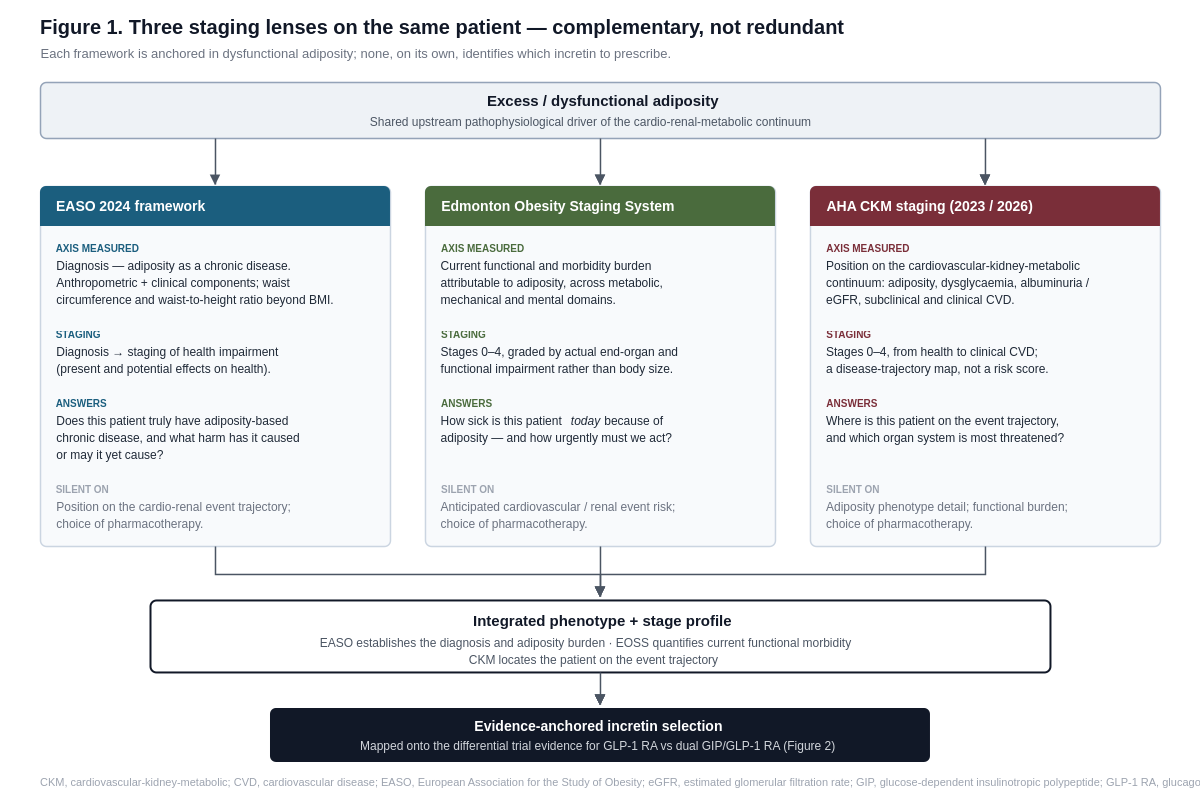
Figure 1. Three staging lenses on the same patient — complementary, not redundant.
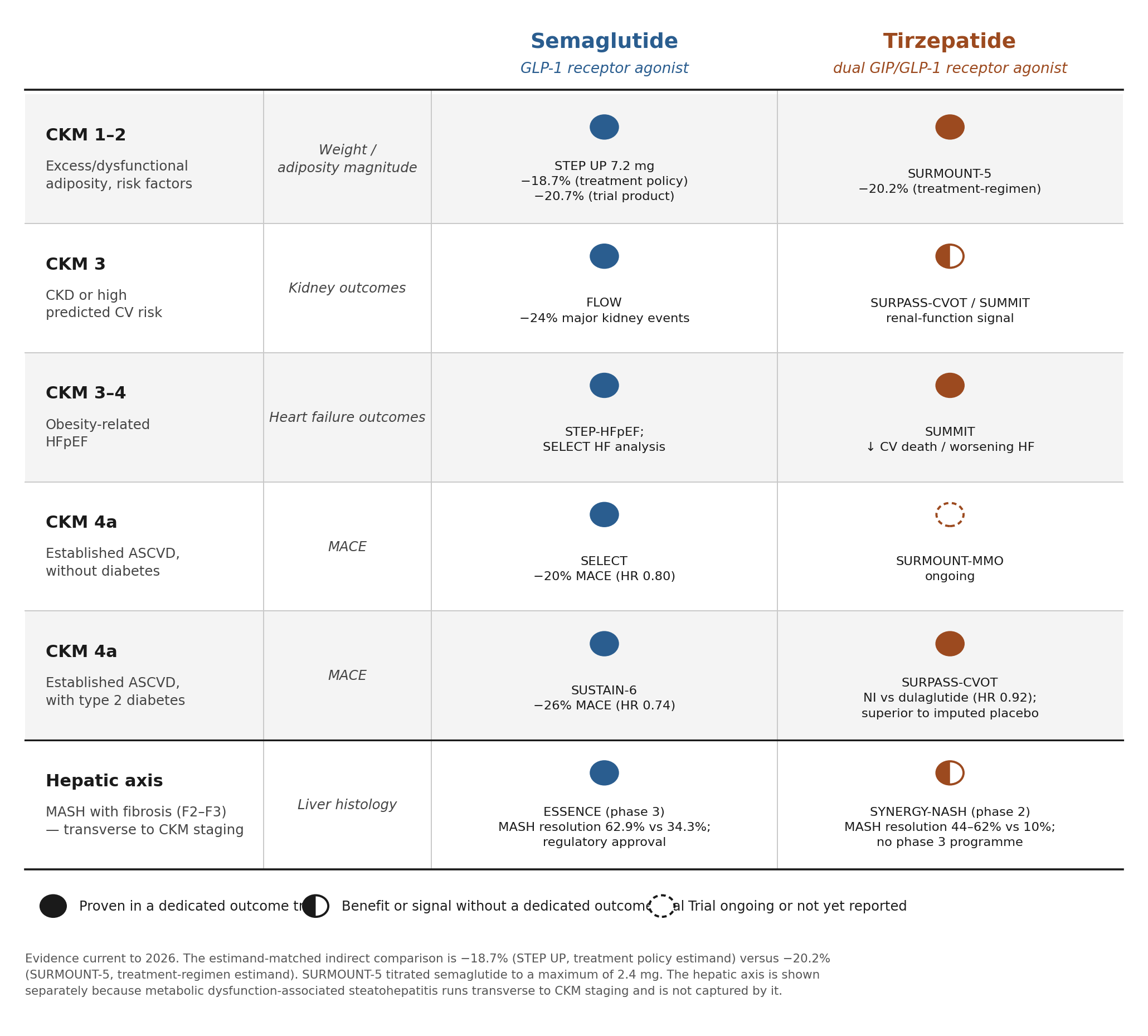
Figure 2. Incretin evidence mapped onto the cardiovascular–kidney–metabolic continuum.